As an Amazon Associate we earn from qualifying purchases. This does not change your price.
Find out which attachment system you have
- Look at the foot on your machine. Is there a screw at the side of the presser bar holding it?If the foot itself is held by a screw, it is a screw-on foot. If the screw holds a separate metal holder and the foot clicks in and out of it, you have a snap-on system.
- Can you remove the foot without a screwdriver?Most snap-on machines have a small lever or button behind the ankle. Press it and the foot drops off. Do not pull hard. Release the foot with the lever.
- Look at the top of your current foot. Is there a horizontal bar or pin?Snap-on feet have a cross bar that the ankle grips. Screw-on feet have a solid arm with a hole or slot for the screw.
- Is your machine low shank, high shank or slant shank?Snap-on and screw-on systems both exist in each shank class. Match the shank first, then the attachment style. If unsure, use the table on the main page.
- Do you want to switch between many feet often?If yes and your machine is low shank screw-on, a low shank snap-on adapter plus snap-on feet is the usual route. Then each foot change takes seconds.
Quick reference
| Point | Screw-on foot | Snap-on foot |
|---|---|---|
| How it attaches | Screwed directly to the presser bar | Clicks onto an ankle that is screwed to the presser bar |
| Changing feet | Needs a screwdriver, slower | Press the lever, swap, click. Takes seconds |
| Typical machines | Older home machines, Featherweights, many vintage and some heavy duty models | Most modern home machines in the low shank class |
| Walking foot | Screws on in place of the foot, usually with a fork over the needle clamp screw | A walking foot also replaces the ankle and screws to the bar, so it is not a sna |
| Cost per extra foot | Fewer choices, often priced higher | Wide choice, generic feet are common |
| Can you convert? | Yes, with a snap-on adapter if your machine is low shank | Back to screw-on by removing the ankle and fitting a screw-on foot of the right |
| Main risk | Foot sits slightly crooked if the screw is not tight and square | Buying a snap-on foot for the wrong shank type or a proprietary system |
Our picks
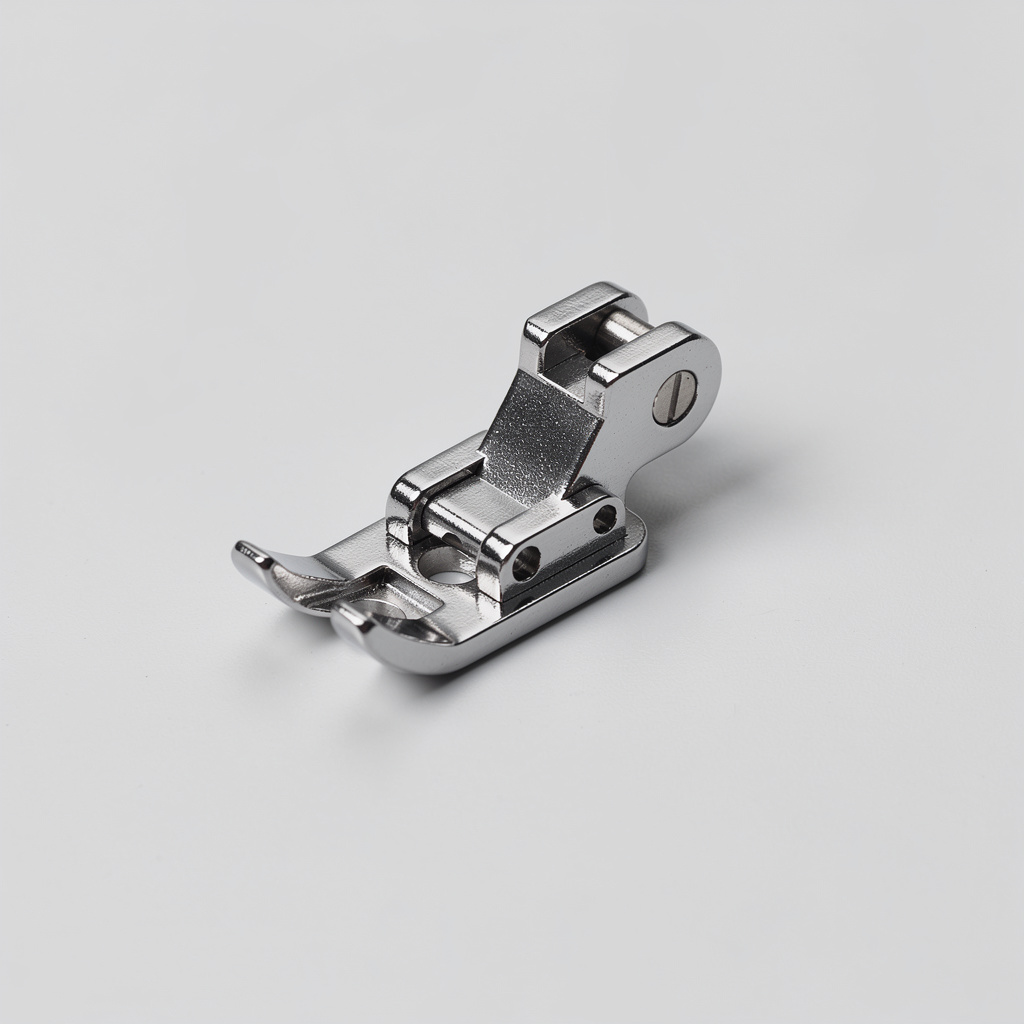
Low shank snap-on adapter (ankle)
It replaces the screw-on foot holder and lets you use common snap-on feet. It does not work on high shank or slant shank machines. Check that the listing says low shank.
View on AmazonAdLow shank snap-on presser foot set
Gives you the common feet in one purchase: zipper, buttonhole, blind hem, satin stitch and others. Good for learning which feet you really use.
View on AmazonAdLow shank screw-on presser foot set
Fits directly on the presser bar. Feet change more slowly, but there is no extra part between foot and bar.
View on AmazonAdSlant shank snap-on shank with feet
Slant shank machines need parts labeled slant shank. A low shank adapter will not fit.
View on AmazonAd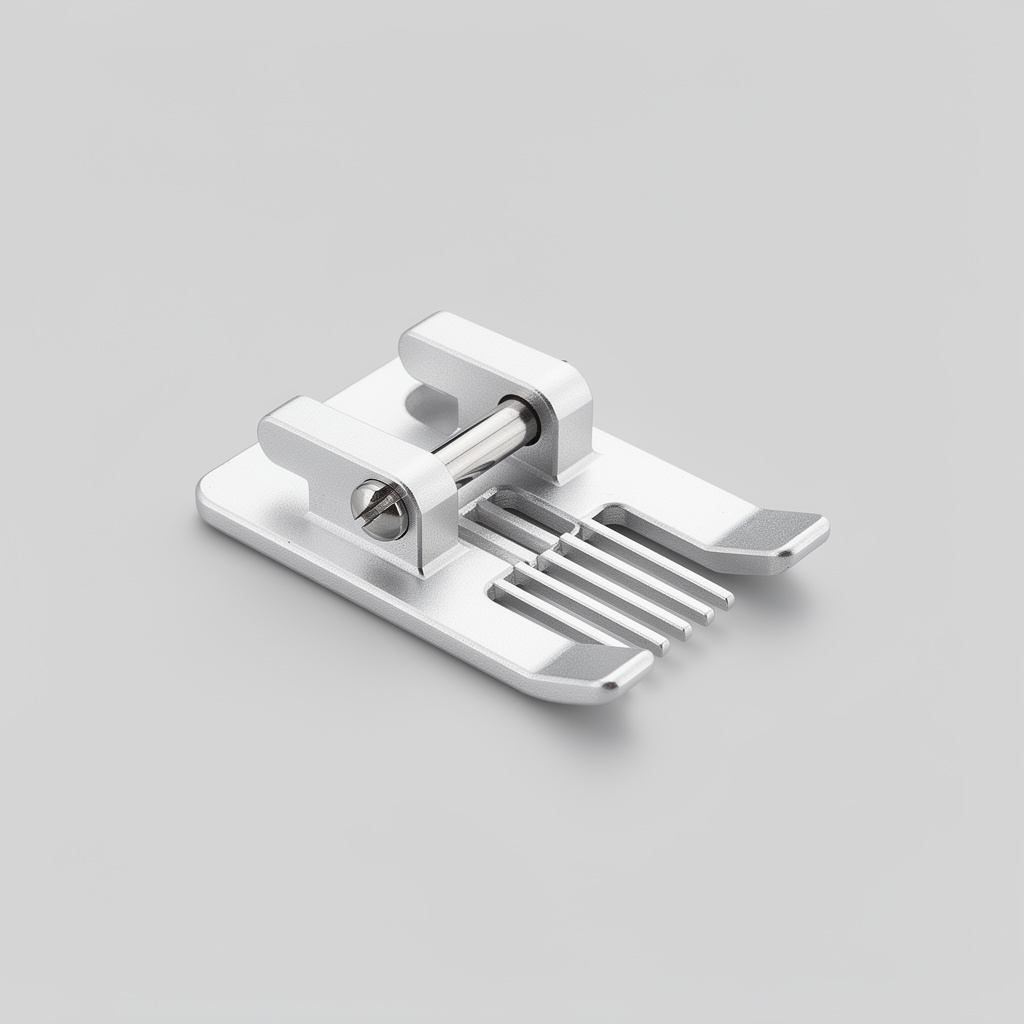
Brother SA140 walking foot (7 mm, low shank)
A walking foot is a special case. It screws to the bar in place of the ankle, so snap-on or screw-on does not matter. Only the shank type does.
View on AmazonAdCommon buying mistakes
- Ordering a snap-on foot without checking whether your machine already has a snap-on ankle or needs an adapter.
- Using a low shank adapter on a high shank or slant shank machine. It will not fit.
- Assuming a walking foot is a snap-on foot. It screws to the bar and needs the right shank.
- Not tightening the ankle or foot screw square. The foot then sits crooked and can hit the needle plate.
- Buying a generic snap-on set for a Bernina or a Janome 9 mm machine. These need parts made for their system.
- Forcing a foot on or off. Use the release lever on the ankle, and test with a hand turn of the wheel before sewing.
Good to know
Is a snap-on foot better than a screw-on foot?
For daily use, yes, because changing feet is faster. Stitch quality is the same when the foot fits. A screw-on foot is not worse. It is just slower to change. If your machine is low shank screw-on and you change feet often, an adapter is worth it.
How does a snap-on adapter work?
You unscrew the old foot and its holder from the presser bar. You then screw the adapter ankle in its place. It uses the same screw. Snap-on feet click into the ankle. Line the adapter up straight and tighten the screw firmly so the foot does not twist.
Why can I not just put a snap-on foot on a screw-on machine?
A snap-on foot has no way to screw to the bar. It needs an ankle to grip its cross bar. Without the ankle there is nothing to hold it. The adapter provides the ankle.
Do all snap-on feet fit all snap-on machines?
No. Generic snap-on feet fit the common low shank snap-on system. Some brands use their own systems, for example Bernina and Janome 9 mm models, and those need feet made for that system. Check the listing for your model before you order.
What about walking feet and other special feet?
A walking foot usually replaces the ankle completely. It has a fork that sits over the needle clamp screw and it screws onto the presser bar. So you choose it by shank type and stitch width, not by snap-on or screw-on. The same holds for some other special feet that attach to the bar.
Can I go back to screw-on after using an adapter?
Yes. Remove the adapter and fit a screw-on foot of the correct shank. Keep the original holder if your machine came with one.
FAQ
How do I know if my presser foot is snap-on or screw-on?
Look at the presser bar. If a separate holder is fixed by the screw and the foot clicks into it, it is snap-on. If the foot itself is held by the screw, it is screw-on. Check your manual if you have it.
Are snap-on and screw-on feet interchangeable?
Not directly. A snap-on foot needs an ankle. A screw-on foot needs a bare presser bar. With a low shank adapter you can use snap-on feet on a low shank screw-on machine.
Will a snap-on adapter work on any machine?
No. A low shank adapter only works on low shank machines. High shank and slant shank machines need parts made for those shanks.
Is a snap-on adapter worth it for an older machine?
If your machine is low shank and you swap feet often, yes. You get a wider choice of feet and faster changes. If you only use one or two feet, screw-on feet are fine.
Do I need a different walking foot for snap-on machines?
A walking foot is chosen by shank type and stitch width. It replaces the ankle, so snap-on or screw-on makes no difference in the purchase. Check the listing for your model.
Does the foot type change stitch quality?
No. A foot that fits and is mounted straight sews the same either way. Problems come from a loose screw, a crooked foot or the wrong shank.
More guides
- Brother Sewing Machine Presser Foot Compatibility List
- Which presser foot fits my Singer? Find it by model number
- How to check Janome presser foot fit
- Low shank or high shank presser foot: how to tell which one you have
- Which zipper foot fits my sewing machine?
- Which buttonhole foot fits my sewing machine?
- Walking Foot Compatibility by Sewing Machine Model
- Overcast foot for your sewing machine: how to choose the right model
- Snap-on presser foot adapters: what fits which machine
